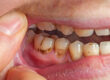


Not all cavities—and not all patients—are the same. In holistic dentistry, we look beyond the tooth to understand the bigger picture: your immune system, your toxic load, your sensitivities, and your long-term wellness. At the Institute of Systemic Dentistry in Berkeley Heights, NJ, we help patients choose cavity treatment options that are not only effective but aligned with their unique health needs and values.
If you’re seeking a dental approach that supports your entire body, not just your smile, this guide will help you understand how to make the right choice.
The Problem with One-Size-Fits-All Dentistry
Conventional dentistry often treats cavities with a standard drill-and-fill protocol using materials like amalgam or resin composites. While these options may be functional, they may not consider:
- Chemical sensitivities or allergies
- Underlying immune or inflammatory conditions
- Environmental toxin exposure
- Personal preferences around materials or treatment philosophy
For patients who value a more integrative approach, a holistic evaluation helps identify the most supportive treatment path.
Step One: Assessing the Severity of the Cavity
We begin by evaluating the extent of the decay:
| Cavity Depth | Holistic Options |
|---|---|
| Early enamel demineralization | Remineralization therapy, hydroxyapatite, xylitol, ozone |
| Shallow dentin involvement | Minimal prep filling with biocompatible material |
| Deeper decay near the pulp | Possible pulp capping, ozone, or conservative restoration |
| Pulp involvement or infection | Alternative therapies, or extraction with biocompatible replacement |
Each stage of decay may have multiple treatment options depending on your overall health and response to materials.
Step Two: Choosing Biocompatible Materials
For many patients, the choice of material is just as important as the procedure itself. At our holistic practice, we avoid:
- Mercury amalgam fillings
- BPA-based composites
- Metals that may trigger immune reactions
Safer Alternatives We Use:
- Resin composites free of BPA and bis-GMA
- Glass ionomer cements that release fluoride or calcium
- Ceramic-based inlays and crowns
- Ozone and plant-based disinfectants to sterilize the area naturally
Before any procedure, we can conduct biocompatibility testing (especially for patients with autoimmune disorders or chemical sensitivities) to ensure the chosen material aligns with your system.
Step Three: Considering Systemic Health Conditions
Your body’s overall condition plays a big role in how we approach cavity treatment.
If You Have:
- Autoimmune conditions or chronic fatigue → Choose non-metal restorations, avoid potential inflammatory triggers.
- Thyroid dysfunction → Limit materials that affect endocrine health (e.g., BPA, fluoride).
- Heavy metal sensitivity or detox issues → Avoid amalgams and materials that contribute to toxic load.
- Pregnancy → Opt for conservative care, delay non-urgent restorations, and avoid materials that cross the placenta.
At our office, we coordinate with your physician or integrative practitioner when necessary to ensure continuity of care.
Step Four: Exploring Non-Drill Options When Possible
In early-stage cavities or in cases where patients want to avoid invasive treatment, we offer non-drill alternatives:
- Ozone therapy to halt early decay
- Remineralization programs using diet, supplements, and topical treatments
- Dietary and saliva pH coaching to reduce future decay risk
These options may delay or prevent the need for fillings if the tooth is structurally sound and monitored closely.
Step Five: Planning for Long-Term Health and Prevention
Treating a cavity is only part of the solution. We help patients develop a sustainable, holistic prevention plan that may include:
- Nutrient testing to support enamel health (vitamins D, A, K2, magnesium)
- Saliva testing to monitor decay risk and microbial balance
- Stress management to reduce clenching, grinding, and immune compromise
- Toxin-free oral care routines using natural products
We believe every cavity is a sign—not just of sugar or brushing technique, but of what the body may be missing.
Cavities don’t happen in isolation, and neither should your treatment. At the Institute of Systemic Dentistry, we offer cavity care that supports your entire body, not just your teeth. Whether you’re managing a chronic health condition, seeking non-toxic alternatives, or simply want the safest materials available, our team is here to guide you every step of the way.
Call us at (908) 464-9144 to schedule a consultation and find the cavity treatment path that supports your long-term wellness—inside and out.