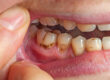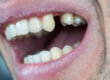


When patients think about dental implants, they often focus on strength, function, and appearance. Those factors matter, but so does what happens at the gumline after the implant is placed. At the Institute of Systemic Dentistry in Berkeley Heights, New Jersey, we look closely at how implant materials interact with soft tissue, oral bacteria, and the body’s inflammatory response. That is one reason ceramic implants are so important in holistic dentistry.
Ceramic implants, typically made from zirconia, have been associated in the dental literature with lower plaque accumulation on surrounding surfaces when compared with traditional metal alternatives in certain settings. That matters because less bacterial buildup around an implant can support healthier gums, a lower inflammatory burden, and better long-term stability for the restoration.
Systemic Dentistry in Berkeley Heights, New Jersey, we look closely at how implant materials interact with soft tissue, oral bacteria, and the body’s inflammatory response. That is one reason ceramic implants are so important in holistic dentistry.
Ceramic implants, typically made from zirconia, have been associated in the dental literature with lower plaque accumulation on surrounding surfaces when compared with traditional metal alternatives in certain settings. That matters because less bacterial buildup around an implant can support healthier gums, a lower inflammatory burden, and better long-term stability for the restoration.
Why Plaque Accumulation Matters Around Implants
Plaque is not just a cosmetic issue. Around an implant, bacterial accumulation can irritate the soft tissue, increase bleeding on probing, and contribute to peri-implant mucositis or more advanced peri-implant disease if it is not controlled. Healthy implant outcomes depend not only on osseointegration in the bone, but also on stable, inflammation-free gum tissue around the implant collar.
From a holistic standpoint, chronic inflammation in the mouth is never something to ignore. Inflamed tissues around an implant can affect comfort, healing, and long-term oral health. When we choose materials that are less likely to attract heavy bacterial buildup and less likely to irritate tissue, we create a more favorable environment for both local healing and whole-body wellness.
How Ceramic Surfaces Support Healthier Soft Tissue
One of the key reasons zirconia implants have gained attention is their surface behavior. Reviews and comparative studies have reported that zirconia may be less attractive for early plaque retention than titanium, and more recent reviews continue to note reduced plaque accumulation and lower inflammatory responses around zirconia abutments and implants in many cases.
This does not mean ceramic implants eliminate the need for hygiene or maintenance. Patients still need excellent home care and regular professional monitoring. What it does mean is that zirconia can offer a biologically favorable surface that may help reduce one of the major contributors to gum irritation around implants. For patients with a history of gum inflammation, thin tissue, or a desire for a more biocompatible solution, that distinction can be significant.
Lower Inflammation Can Mean Better Gum Health
Plaque and inflammation are closely connected. When a material tends to support less bacterial adhesion, the surrounding tissue often responds more calmly. Multiple reviews describe zirconia as showing reduced plaque accumulation together with lower inflammatory responses in peri-implant soft tissue when compared with titanium in many reported cases.
For patients, this can translate into healthier-looking gums, less redness, and a more stable soft tissue seal around the implant. In aesthetic areas, that is especially important. Healthy tissue not only protects the implant but also helps maintain a natural, attractive appearance over time.
Ceramic Implants and the Holistic Perspective
Holistic dentistry considers more than the mechanical success of an implant. We also think about how the material interacts with the body. Zirconia is metal-free, highly biocompatible, and non-conductive. For some patients, especially those concerned about metal exposure, inflammatory burden, or overall biological compatibility, ceramic implants align better with their health goals.
Another benefit is that ceramic implants avoid galvanic interactions associated with metals in the mouth. While not every patient experiences galvanic effects, a metal-free restoration removes that concern entirely and can be part of a broader plan to reduce irritants and support a healthier oral environment. This fits naturally with the philosophy of systemic and biologic care.
What Patients Should Know About the Research
It is important to be accurate here. The current body of research is encouraging, but not every study shows a dramatic difference between zirconia and titanium in every outcome. Some systematic reviews report lower plaque accumulation on zirconia, while others find similar clinical performance overall with the main advantage leaning toward soft tissue response and aesthetics rather than a major difference in every measured category.
That is why individualized treatment planning matters. At our office, we do not recommend ceramic implants simply because they are newer or different. We recommend them when their biological, soft tissue, and aesthetic advantages make sense for the patient in front of us. That decision is based on gum health, tissue thickness, medical history, cosmetic priorities, and overall treatment goals.
Who May Benefit Most From Ceramic Implants
Ceramic implants may be especially appealing for patients who:
- want a metal-free implant solution
- have thin or delicate gum tissue
- are concerned about plaque retention and gum inflammation
- prioritize a holistic or biologically focused treatment plan
- want a more natural appearance at the gumline
For these patients, zirconia can offer both aesthetic and biological advantages, especially when paired with excellent home care and thoughtful follow-up.
Why Maintenance Still Matters
Even with a favorable material, implant success always depends on hygiene, bite balance, and regular professional care. Ceramic implants are not a shortcut around maintenance. They are a material choice that may help create a healthier starting point for the surrounding tissues. Daily plaque control, professional cleanings, and monitoring of the bite and gums remain essential.
Why Maintenance Still Matters
Even with a favorable material, implant success always depends on hygiene, bite balance, and regular professional care. Ceramic implants are not a shortcut around maintenance. They are a material choice that may help create a healthier starting point for the surrounding tissues. Daily plaque control, professional cleanings, and monitoring of the bite and gums remain essential.
At the Institute of Systemic Dentistry, we combine material selection with a broader plan for long-term health. That includes evaluating inflammation, gum stability, airway issues, clenching or grinding, and the overall oral environment so the implant is supported from every angle.
Ceramic implants are about more than replacing a missing tooth. They offer a metal-free, biocompatible option that may support reduced plaque accumulation, calmer soft tissue response, and healthier gums over time. For many patients, especially those seeking a holistic approach, that makes zirconia an attractive choice.
At the Institute of Systemic Dentistry in Berkeley Heights, New Jersey, we believe implant dentistry should support the whole person, not just the smile. If you are considering dental implants and want to explore whether ceramic implants are the right fit for your gum health and long-term wellness goals, our team is here to help you make an informed decision.