
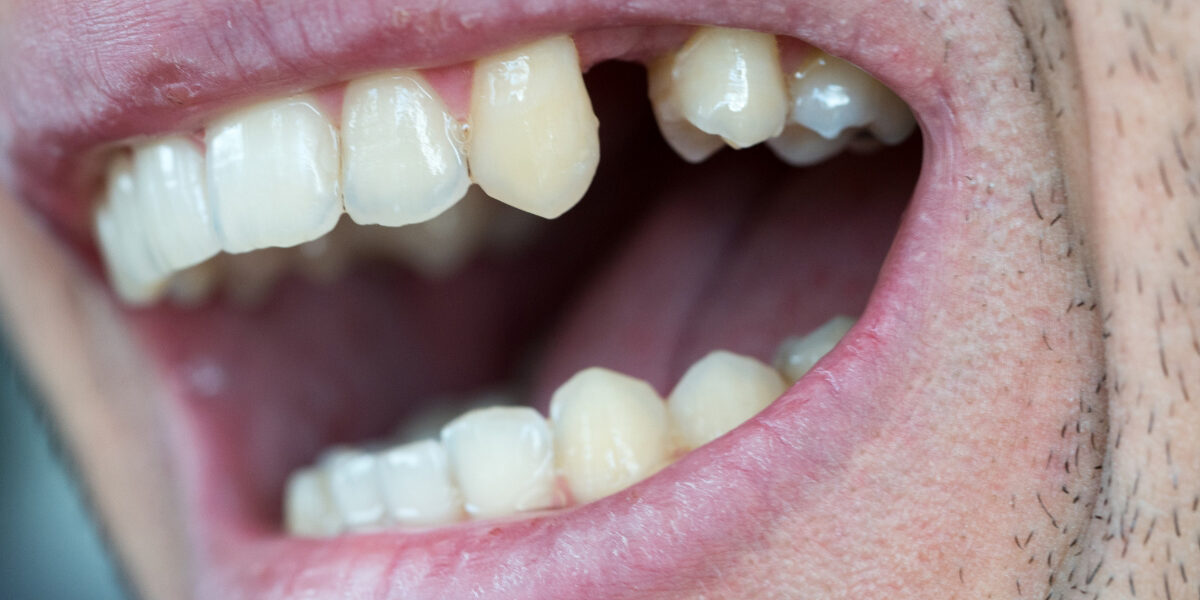
When patients talk about trying to save a tooth naturally, they can mean several different things. Some want to avoid drilling an early cavity. Others hope to preserve the living pulp inside a deeply decayed tooth. Some are looking for ways to strengthen weakened enamel, while others have been told they need a root canal and want to know whether the tooth has any ability to recover.
The answer depends largely on what has actually happened to the tooth.
Teeth are not completely passive structures. Saliva, minerals, oral bacteria, diet, and daily hygiene continually influence whether enamel loses or gains minerals. In the earliest stages of tooth decay, this balance can sometimes be shifted in a healthier direction. Once significant tooth structure has been lost, the pulp has become necrotic, or infection has developed inside the root canal system, however, the body’s natural repair mechanisms have important limitations.
At the Institute of Systemic Dentistry in Berkeley Heights, New Jersey, we believe the first step is determining what can realistically be preserved. A holistic approach should support natural biological processes when they can help while also recognizing when a tooth needs professional treatment.
Teeth Can Recover From the Earliest Stages of Decay
One of the most important distinctions is between demineralization and an established cavity.
Dental decay begins when acids produced within dental plaque remove minerals from the tooth surface. At this early stage, the enamel may weaken even though the surface remains intact.
This process can move in both directions.
The American Dental Association describes tooth decay as a dynamic process involving repeated periods of demineralization and remineralization. Whether an early lesion progresses, stops, or reverses depends on the balance between factors damaging the tooth and those protecting it.
When the surface is still intact, improving that balance may allow minerals to return to weakened enamel.
This is one of the clearest examples of helping a tooth recover without drilling.
Saliva Is One of the Mouth’s Most Important Natural Defenses
Saliva plays a major role in protecting teeth.
It helps neutralize acids, washes food particles away, buffers the oral environment, and supplies calcium and phosphate that participate in remineralization.
When someone produces healthy amounts of saliva and gives the mouth enough time between meals and snacks to recover, the natural repair process has a better opportunity to occur.
This is also why dry mouth can dramatically change a person’s cavity risk.
Medications, dehydration, mouth breathing, medical conditions, and other factors can reduce salivary flow. When this occurs, simply brushing more aggressively may not address the underlying problem.
From a systemic perspective, evaluating saliva and asking why the oral environment has changed can be an important part of helping patients prevent additional damage.
Reducing Frequent Sugar Exposure Can Change the Environment
Trying to strengthen a tooth naturally is difficult if the mouth remains under frequent acid attack.
Every time oral bacteria metabolize certain dietary carbohydrates, acids are produced that can lower the pH around the teeth and promote mineral loss. The ADA identifies dietary carbohydrate exposure as an important factor in the caries process.
Frequency matters.
Someone who slowly drinks sweetened coffee, juice, soda, or another carbohydrate-containing beverage over several hours may repeatedly expose the teeth to conditions that promote demineralization.
Frequent snacks can create a similar pattern.
This does not mean patients need to eliminate every carbohydrate from their diet. It means that when we are trying to stabilize early decay, understanding how often teeth are exposed can be just as important as looking at the total amount consumed.
Better Plaque Control Helps the Tooth Recover
Plaque is not simply food stuck to the teeth. It is a complex bacterial biofilm.
When that biofilm remains undisturbed, particularly in areas where dietary carbohydrates are frequently available, the local environment can become more favorable to decay.
Thorough brushing and cleaning between the teeth help disrupt that environment.
For an early cavity being managed conservatively, this becomes particularly important. A lesion between two teeth that is never adequately cleaned may behave very differently from an early lesion in a patient who can consistently control plaque.
Natural remineralization is more likely to succeed when the factors driving mineral loss are being addressed at the same time.
Can Minerals Actually Go Back Into a Tooth?
Yes, within limits.
Remineralization means minerals are redeposited into areas of enamel that have lost mineral content but still retain enough structure to recover.
The ADA notes that remineralization can increase the mineral content of early caries lesions and that noncavitated lesions may potentially regain a smoother, more mineralized surface when the disease process is successfully controlled.
This is very different from growing back a piece of tooth that is already missing.
If decay has created a physical hole in the tooth, the body does not normally regenerate the lost enamel into its original shape.
That distinction is extremely important when evaluating claims that cavities can be “healed naturally.”
An early demineralized area may be remineralized or arrested.
A large structural cavity cannot simply grow itself back.
Where Does Fluoride Fit Into Natural Tooth Preservation?
Fluoride is often part of the remineralization discussion because it helps strengthen demineralized enamel and makes the tooth surface more resistant to future acid attacks.
The ADA states that topical fluoride can encourage remineralization and help reverse the earliest stages of tooth decay before cavitation has occurred.
Patients interested in biological dentistry sometimes have questions about fluoride exposure. Those questions should be discussed rather than dismissed.
The appropriate approach can depend on a patient’s cavity risk, existing fluoride exposure, age, medical and dental history, and personal preferences.
What is important is understanding the evidence and the condition of the tooth rather than assuming that one preventive approach is appropriate for every patient.
What About Hydroxyapatite and Other Remineralizing Products?
Patients increasingly ask about hydroxyapatite toothpastes, mineral products, xylitol, supplements, and other approaches promoted for rebuilding teeth.
Some of these products may have useful properties, and research continues to evolve.
However, patients should be cautious about claims that a toothpaste, powder, supplement, or home remedy can regenerate a significant cavity or cure an infected tooth.
The ADA has specifically noted that evidence for certain alternatives, including hydroxyapatite and xylitol products, is not currently sufficient to conclude that they outperform established fluoride approaches for reversing early decay.
A product may help support oral health without having the ability to repair structural destruction.
Those are two different claims.
What Happens When the Tooth Already Has a Physical Cavity?
Once enough mineral and tooth structure have been lost to create a true opening, the situation changes.
The cavity may trap bacteria and food, making it increasingly difficult for the patient to keep the area clean.
Small cavitated areas do not all require exactly the same treatment, and modern dentistry includes several nonrestorative approaches for selected lesions. The ADA’s evidence-based recommendations include options such as sealants and silver diamine fluoride for certain noncavitated and cavitated lesions, depending on tooth type and clinical circumstances.
But these approaches are aimed at arresting disease, not recreating missing enamel.
When structural integrity has been significantly compromised, a restoration may be necessary to rebuild and protect the tooth.
Saving a Tooth Naturally Can Also Mean Preserving the Pulp
For some patients, the bigger question is not whether a cavity can remineralize.
It is whether the living tissue inside a deeply damaged tooth can be saved.
This is where vital pulp therapy becomes relevant.
The pulp contains nerves, blood vessels, connective tissue, and cells involved in maintaining the tooth. When the pulp becomes irritated by decay, trauma, or a dental procedure, the tissue does not necessarily become irreversibly damaged immediately.
In appropriately selected teeth, treatment may be designed to remove the source of irritation and preserve some or all of the living pulp rather than proceeding directly to complete root canal therapy.
The American Association of Endodontists recognizes vital pulp therapy as a means of maintaining pulp vitality after injury from decay, trauma, or restorative treatment. Contemporary treatment can include indirect or direct pulp capping and partial or complete pulpotomy.
This is one area where modern evidence-based dentistry and a conservative biological philosophy can overlap.
The Pulp Has Limits to Its Ability to Heal
Preserving the pulp is not possible in every situation.
If inflammation is limited and the remaining tissue is healthy enough, it may recover after the source of irritation is controlled and the tooth is properly sealed.
If the pulp has become necrotic, however, there is no longer living tissue inside the affected portion of the tooth to preserve.
Likewise, once bacteria have extensively infected the root canal system, diet changes, supplements, oil pulling, herbal products, or improved brushing cannot disinfect the complex internal anatomy of the tooth.
At this stage, professional treatment is necessary.
A holistic approach should respect biological healing without expecting the body to accomplish something it is not capable of doing.
Can a Tooth Infection Heal Naturally?
This is one of the most important questions to answer accurately.
An infection inside the root canal system is different from early enamel demineralization.
Once bacteria have entered necrotic pulp tissue and the internal canal system has become infected, improving diet or strengthening the immune system does not reliably eliminate the source of infection.
Symptoms may sometimes temporarily improve, but that does not necessarily mean the infection has resolved.
If the tooth is restorable, root canal therapy may be considered to remove infected tissue, disinfect the internal canal system, and preserve the natural tooth.
If the tooth cannot be predictably restored or the patient elects not to have endodontic treatment, extraction may need to be considered.
Leaving an actively infected tooth untreated should not be confused with natural healing.
Pain Going Away Does Not Always Mean the Tooth Healed
This can be especially misleading.
A severely inflamed tooth may initially become extremely sensitive or painful. If the pulp later loses vitality, the pain can sometimes decrease.
A patient may understandably believe the tooth is improving.
In reality, the disappearance of sensitivity can occasionally mean that the nerve tissue is no longer functioning normally.
This is why symptoms need to be interpreted alongside pulp testing, examination, and appropriate imaging.
A tooth should not be considered healed simply because it stopped hurting.
Sometimes the Most Natural Approach Is Doing Less
There are situations where the best way to preserve a tooth is to avoid unnecessary treatment.
An early enamel lesion may be monitored rather than drilled.
Deep decay may sometimes be treated with conservative caries removal rather than aggressively removing every altered area and risking unnecessary pulp exposure.
A healthy portion of the pulp may sometimes be preserved rather than completely removed.
A small restoration may be preferable to a larger one.
Modern conservative dentistry increasingly recognizes that maintaining healthy natural tissue has value.
The objective, however, is not to perform less treatment simply for the sake of doing less. It is to use the least invasive treatment that can predictably control disease and preserve the tooth.
Sometimes Saving the Tooth Requires Intervention
Holistic dentistry should also recognize the other side of preservation.
There are times when avoiding treatment actually makes it more difficult to save the tooth.
A small cavity may become a deep cavity.
A deep cavity may eventually involve the pulp.
A crack can progress.
An untreated infection may damage surrounding bone.
Waiting too long in an effort to heal every dental problem naturally can turn a relatively conservative treatment into a much more complicated one.
True tooth preservation means intervening when intervention is necessary.
Finding Out Why the Tooth Became Damaged Matters
Repairing one tooth without understanding why it developed a problem can leave the patient vulnerable to additional dental disease.
At the Institute of Systemic Dentistry, we believe it is useful to consider factors such as:
- Cavity history and current decay activity
- Diet and frequency of carbohydrate exposure
- Plaque control
- Salivary flow and dry mouth
- Existing fillings and crowns
- Gum recession and exposed root surfaces
- Clenching and grinding
- Cracks and excessive biting forces
- Medications and relevant health conditions
Looking for patterns can help determine whether the compromised tooth is an isolated problem or part of a larger change occurring throughout the mouth.
Natural Tooth Preservation Starts With an Accurate Diagnosis
Before trying to “heal” or save a tooth naturally, it is important to know what stage the problem has reached.
A noncavitated enamel lesion, a deep cavity, an inflamed living pulp, a necrotic pulp, a cracked tooth, and an abscess are very different conditions.
They should not all be treated the same way.
The earlier a problem is identified, the more opportunities there may be to use conservative treatment and support the tooth’s own protective mechanisms.
Once substantial structural damage or infection has occurred, professional restorative or endodontic care may be necessary to keep the condition from progressing.
A Biological Approach to Saving Natural Teeth in New Jersey
At the Institute of Systemic Dentistry in Berkeley Heights, New Jersey, our goal is to preserve natural teeth and healthy dental tissue whenever it is clinically reasonable.
That may mean helping an early lesion remineralize, improving the oral environment, monitoring a stable area, using conservative restorative techniques, protecting the pulp, considering vital pulp therapy, or treating a more advanced dental problem before additional damage occurs.
Saving a tooth naturally does not mean ignoring disease or relying on a home remedy to repair damage that the body cannot regenerate.
It means understanding the biology of the tooth, supporting natural protective processes where they still exist, and using appropriate dental treatment when those processes are no longer enough.
If you are concerned about a cavity, have been told that a tooth needs extensive treatment, or would like to understand whether a conservative approach may be appropriate, contact the Institute of Systemic Dentistry in Berkeley Heights, New Jersey to schedule an evaluation. We can determine the condition of the tooth, explain what can realistically be preserved, and discuss treatment options based on your individual dental needs.