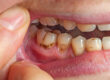


Many people are surprised to learn that not all cavities require drilling. In fact, when decay is caught early, it’s often possible to repair and stabilize the tooth without invasive treatment. At the Institute of Systemic Dentistry, we focus on early detection, conservative care, and natural strategies that support the body’s ability to heal.
This approach helps patients preserve more of their natural tooth structure while avoiding unnecessary exposure to drills, synthetic materials, or metals.
Understanding Early-Stage Cavities
A cavity doesn’t form overnight. Tooth decay develops gradually, starting with demineralization of enamel. At this stage, the tooth hasn’t yet developed a hole, it’s simply losing minerals due to acid-producing bacteria.
Common early signs include:
- Chalky white spots on the tooth
- Mild sensitivity to cold or sweets
- Subtle surface roughness
- Changes in enamel sheen
When decay is limited to the enamel, natural repair is often possible with the right support.
Why Drilling Isn’t Always Necessary
Traditional dentistry often treats decay once it becomes visible on X-rays or feels soft to an instrument. However, drilling at the earliest sign of demineralization can:
- Remove healthy tooth structure unnecessarily
- Weaken the tooth over time
- Increase the likelihood of future fillings and fractures
Holistic dentistry takes a different approach by asking: Can this tooth be stabilized and strengthened before structural damage occurs?
Holistic Methods for Repairing Early Cavities
When a cavity is caught early, we may recommend one or more of the following non-invasive options:
1. Ozone Therapy
Ozone is a powerful natural disinfectant that kills cavity-causing bacteria without drilling or chemicals. It penetrates microscopic enamel pores and helps stop decay progression while supporting remineralization.
This treatment is quick, painless, and well-tolerated by both adults and children.
2. Remineralization Therapy
Remineralization focuses on restoring lost minerals to enamel using topical and internal support.
This may include:
- Hydroxyapatite-based toothpaste or gels
- Calcium and phosphate support
- Xylitol to reduce harmful bacteria
- Saliva optimization strategies
With consistent use, early lesions can harden and become resistant to further decay.
3. Dietary and Nutritional Support
Teeth rely on nutrients from the bloodstream—not just brushing—for strength and repair. We often recommend dietary changes that support enamel healing, including:
- Adequate intake of vitamins A, D, and K2
- Mineral-rich foods such as leafy greens and quality dairy
- Reducing frequent snacking and sugar exposure
- Supporting gut health, which plays a role in mineral absorption
For many patients, nutritional adjustments alone significantly slow or reverse early decay.
4. Oral Microbiome Balancing
Cavities are not just about sugar, they’re about bacterial imbalance. We assess factors such as saliva flow, mouth breathing, and oral pH, then recommend:
- Xylitol gum or mints
- Oral probiotics
- Gentle, non-toxic rinses
- Avoiding harsh antibacterial mouthwashes that disrupt healthy bacteria
A balanced oral environment allows enamel to heal naturally.
Monitoring Without Over-Treating
One of the most important aspects of holistic care is careful monitoring. Instead of immediately drilling, we track early decay using:
- Low-radiation digital X-rays
- Visual and tactile exams
- Photographic documentation
- Ongoing symptom assessment
If a tooth remains stable or improves, no drilling is needed. If decay progresses despite natural support, we then discuss biocompatible restorative options, always using the least invasive method possible.
When Drilling May Still Be Necessary
Non-drilling approaches work best when decay is limited to the enamel. If the cavity reaches dentin or causes persistent sensitivity, restoration may be required to prevent infection.
Even then, we prioritize:
- Minimal tooth removal
- Biomimetic techniques
- Non-toxic, BPA-free, and metal-free materials
The goal is always preservation first, intervention second.
Cavities don’t always require drills, shots, or fillings—especially when they’re caught early. With the right combination of diagnostics, natural therapies, and preventive care, many early cavities can be repaired without invasive treatment.
At the Institute of Systemic Dentistry in Berkeley Heights, NJ, we help patients take a proactive, whole-body approach to dental health—protecting natural teeth and reducing the need for future dental work.
If you’ve been told you have an early cavity, or want a second opinion before drilling, contact our office to schedule a holistic evaluation. We’re here to help you explore every option before taking the next step.